Do You Really Need Winter Tires in Nashville?
Hey there, neighbor! This is your local guy from Music City Tire Shop, right here on Antioch Pike. We get a lot of questions this time of year, and one of the most common is, "Do I really need winter tires in Nashville, TN?" It's a fair question, especially since our winters aren't exactly known for being blizzards like up north. Most folks think of snow tires only when they see inches of accumulation on I-24 or Bell Road. While heavy snow is a good reason, it's not the only reason our cars need a little extra grip when the mercury drops.
See, it’s not just about snow and ice. The real magic of a winter tire comes into play long before the snowflakes even think about falling. It’s all about temperature. When the thermometer dips below 45 degrees Fahrenheit, the rubber compound in your regular all season tires starts to harden. When that happens, they lose their flexibility, and with it, their ability to grip the pavement as effectively. Think about it like trying to run on ice in stiff boots versus specially designed winter footwear. Makes a difference, right?
The Science Behind Winter Tire Performance
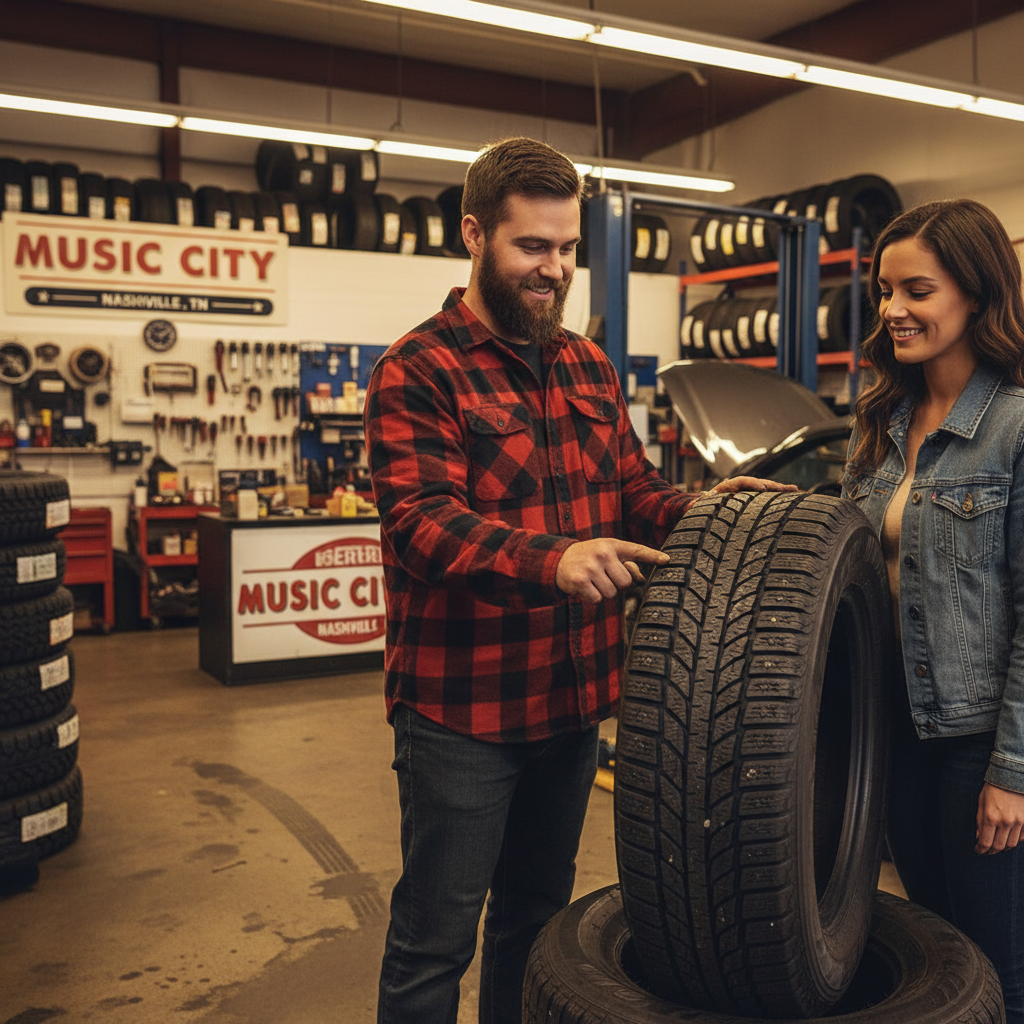
Winter tires, sometimes called cold weather tires, are engineered with a specialized rubber compound that remains pliable and flexible even in very chilly conditions. This means they can conform better to the road surface, providing superior traction whether it's dry, wet, or slushy. Beyond the rubber, they also feature unique tread patterns with thousands of tiny slits, called sipes. These sipes act like tiny claws, biting into slick surfaces to provide enhanced grip. This is a game changer for stopping power and handling, especially when you're driving home from Hickory Hollow or heading out towards Hermitage in the morning chill.
It’s not just about getting going or staying on your lane, it's really about stopping. In an emergency braking situation, those extra few feet of stopping distance can be the difference between a close call and a fender bender. And if you've ever driven on Murfreesboro Pike when it's slick from a light rain or a sudden temperature drop, you know every bit of traction helps.
Winter Tires vs. All Season Tires: What's the Difference?
Now, I know a lot of y'all have all season tires, and for most of the year, they do a fine job here in Nashville. They're a good compromise for varied conditions. However, a compromise means they aren't exceptional in any one area. When it comes to true winter performance, all season tires simply can’t compete with dedicated winter tires below that 45 degree mark. It’s like comparing a utility tool to a specialized instrument; both are useful, but one is designed for a specific, demanding task. For more about tire options, check out our page on tire options here in Nashville.
Some folks consider all season tires a 'three season' tire, performing well in spring, summer, and fall, but struggling in the winter. They just don't have the specialized rubber or tread design to offer the safety benefits of winter tires when things get cold and slippery around Antioch or Donelson. This is especially true for SUVs and trucks, which are heavier and can take longer to stop. Equipping them with proper winter tires from our Antioch shop can significantly enhance their winter driving capabilities.
When to Put Them On and Take Them Off
The general rule of thumb for winter tires is to put them on when temperatures consistently drop below 45 degrees Fahrenheit, usually around late October or early November here in Nashville. You can then switch them back to your all seasons when temperatures consistently rise above that threshold, typically in March or April. We can certainly help you with seasonal tire changes, and even store your off season tires if you don't have the space. It’s a small investment in safety and peace of mind for you and your loved ones on Nashville's roads.
Don't wait until the first icy morning to think about your tires. Being proactive about your vehicle's winter preparedness is key. Beyond tires, making sure your brakes are in good shape and your alignment is spot on are also critical for winter driving safety. If you're ever in doubt about your car's readiness for the colder months, give us a holler or swing by the shop. We're always here to help our neighbors stay safe on the road.
Here at Music City Tire Shop, we believe in honest advice and top notch service, just like friends talking over a cup of coffee. We want you to feel confident and secure every time you drive through Nashville, whether you're headed downtown or just to the grocery store off Antioch Pike. Stay safe out there!
Frequently Asked Questions
Ready to roll? Stop by Music City Tire Shop
2135 Antioch Pike, Antioch TN. Walk ins welcome.
Call (615) 573-2036